3-minute read
The leafhopper poses a threat to corn production in 2026

Grupo Agromave
Institutional content
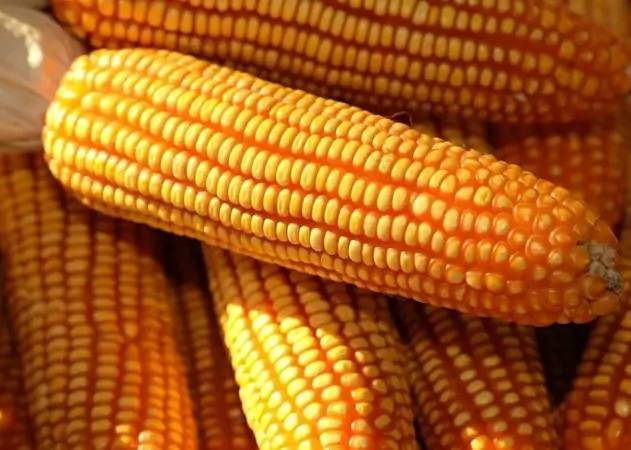
The second corn crop begins amid the threat of leafhoppers
The timing of the planting window for the second corn crop, known as the “safrinha,” is seen as a key factor in the crop’s performance in 2026. Despite the forecast of rain in the first half of February in the Midwest, the sector expects that producers’ operational capacity will allow them to accelerate the soybean harvest and enable corn planting within the period considered appropriate.
In addition to weather conditions, farmers are expressing concern about the corn leafhopper, which is no longer a localized problem and is now being treated as a nationwide challenge. A study by the Brazilian Confederation of Agriculture and Livestock (CNA) estimates losses of US$ 25.8 billion between the 2020/21 and 2023/24 harvests, with an average reduction of 22.7% in Brazilian corn, equivalent to 31.8 million tons per year. According to the CNA, in nearly 80% of the municipalities analyzed, producers reported losses associated with the presence of the pest and the diseases it transmits.
In more vulnerable areas, the impact on productivity can exceed 70%, which has led farmers to increase their investments in management strategies. According to industry data, spending on leafhopper control solutions rose by about 19% during the crop seasons analyzed, reflecting the need to mitigate phytosanitary risks throughout the crop cycle.
The importance of the second crop has grown in recent decades, especially in the Midwest, and the second crop now accounts for the largest share of national corn production. StoneX projections indicate production of 106.3 million tons for the second crop, while the National Supply Company (Conab) estimates 110.5 million. In Mato Grosso, the leading producing state, the Mato Grosso Institute of Agricultural Economics (Imea) projects a planted area of 7.39 million hectares, up 1.83%, and production of 51.72 million tons.
Even with high production estimates, analysts believe that the performance of the 2026 off-season crop will depend on consistent rainfall and effective control of leafhoppers throughout the crop’s growth cycle. With planting concentrated between February and March, following the soybean harvest, industry experts emphasize the importance of continuous monitoring and phytosanitary management during the crop’s early stages.
Source: Agrolink – Seane Lennon Published on February 9, 2026, at 9:37 a.m.