2 min read
Soybean market impacted by Brazilian weather and US-China trade tensions

Grupo Agromave
Institutional content
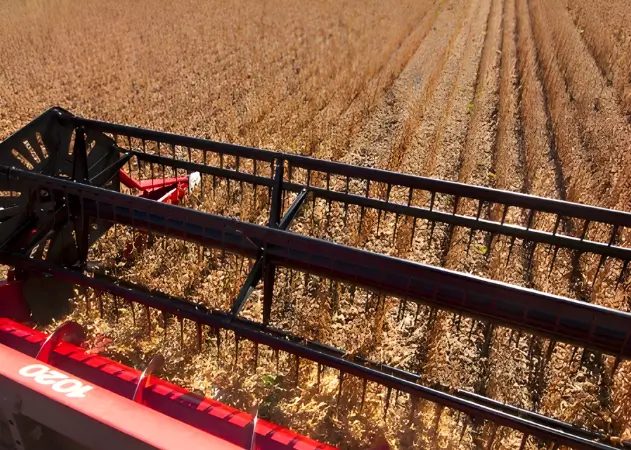
The progress of soybean planting in Brazil is facing significant weather-related challenges. According to Grão Direto, two weeks of dry weather in the Midwest and the Matopiba region have disrupted the planting schedule. In states such as Mato Grosso and Goiás, farmers who took advantage of the early rains are now dealing with poor germination and the need to replant.
The industry is keeping a close eye on La Niña, which has been officially recognized by NOAA since September. Although classified as weak, the phenomenon could alter rainfall patterns through early 2026—precisely during the critical period for the establishment of the 2025–2026 crop.
International market puts pressure on Chicago, but premiums remain firm in Brazil
Political instability in the United States has brought USDA reports to a standstill, leaving the market without crucial data on exports and crop yields. Amid this information vacuum, trade tensions between the U.S. and China have intensified. Former President Donald Trump’s imposition of 100% tariffs on Chinese goods has heightened the climate of uncertainty and put downward pressure on prices in Chicago.
Nevertheless, futures contracts showed mixed trends: the August 2025 soybean contract ended the week at $9.67 per bushel, up 0.52%, while the March 2026 contract fell 0.10%, trading at $10.22 per bushel. Chinese demand, however, supported export premiums at Brazilian ports, which remain high despite the slight depreciation of the dollar, which fell 1.98% and closed at R$ 5.44.
Exchange rate volatility and domestic economic measures are heightening uncertainty
The exchange rate remains under pressure from both domestic and external factors. In Brazil, the government’s announcement regarding the reduction of the savings reserve requirement—freeing up R$ 37 billion—has raised expectations of increased liquidity in the economy and rising inflation. The measure had an immediate impact on the dollar exchange rate and is likely to keep the foreign exchange market volatile in the coming days.
The outlook for the Brazilian soybean market is positive in the short term, driven by Chinese demand and strong port premiums. However, the combination of weather uncertainties, geopolitical tensions, and exchange rate volatility requires heightened attention from producers and industry stakeholders.
Source: Agrolink – Aline Merladete Published on October 14, 2025, at 10:21 a.m.